

Key Minerals for Optimal Body Function: Essential Nutrients for Health and Vitality
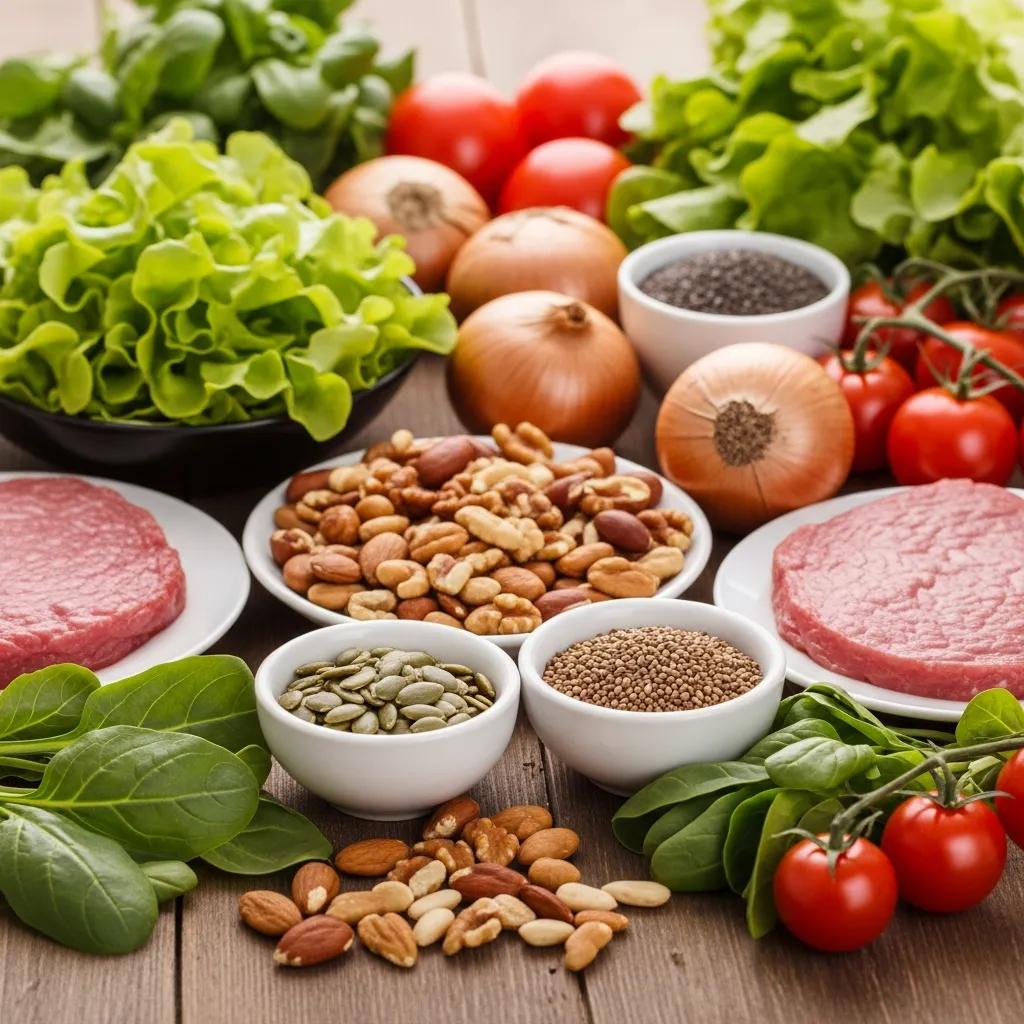
Essential minerals are inorganic nutrients the body needs to perform critical processes — from producing cellular energy to maintaining bone structure and nerve signaling — and obtaining them from whole foods supports long-term vitality and resilience.
This article explains which key minerals most directly affect body function, how they work at a biological level, and practical dietary strategies to meet needs through food-first approaches and tailored meal plans. Many people experience fatigue, muscle cramps, slowed recovery, or brittle bones because of inadequate mineral intake, and targeted dietary changes can reverse or reduce these problems while improving performance and daily energy. Readers will learn which minerals support metabolism, bone and muscle health, immunity, and electrolyte balance, plus food sources, symptom signals of deficiency, and stepwise strategies to boost intake. The guide also previews how Chef Nourish’s customized meal plans can deliver mineral-rich meals for specific goals such as athletic performance, diabetic management, or weight loss without sacrificing flavor or convenience.
What Are the Essential Minerals for Optimal Body Health?
Essential minerals are inorganic elements required for physiological processes, grouped as major minerals when needed in larger amounts and trace minerals when required in smaller quantities, and they support enzymatic reactions, structural roles, and fluid balance.
Major minerals include calcium, phosphorus, magnesium, sodium, potassium, and chloride; trace minerals include iron, zinc, selenium, iodine, manganese, and copper, each acting as cofactors or structural components in proteins and tissues.
Understanding which minerals support specific systems helps target diets for metabolism, bone strength, immunity, and cardiovascular function, and it guides practical food choices and meal planning.
The table below summarizes primary functions and common deficiency indicators for several essential minerals.
| Mineral | Primary Functions | Common Deficiency Signs |
|---|---|---|
| Magnesium | ATP stabilization, enzyme cofactor, nerve/muscle relaxation | Muscle cramps, fatigue, sleep disturbance |
| Calcium | Bone mineralization, muscle contraction, signaling | Bone loss, muscle spasms, dental issues |
| Iron | Oxygen transport (hemoglobin/myoglobin), energy metabolism | Fatigue, pallor, poor exercise tolerance |
| Zinc | Immune cell function, wound healing, enzyme activity | Slow wound healing, taste changes, recurrent infections |
| Potassium | Electrolyte balance, nerve and muscle action potentials | Weakness, irregular heartbeat, cramps |
This quick matrix helps prioritize which foods and meal types to emphasize based on the symptoms or goals a person presents. The next section drills into which minerals specifically drive energy metabolism and how to boost them through diet and meal selection.
Chef Nourish provides mineral-aware meal solutions tailored to individual needs, pairing gourmet fresh meals with nutrition-first design and personalized onboarding by Chef LaLa. Operating as a gourmet meal prep delivery service in Southern California, Chef Nourish emphasizes Customized Meal Solutions that align meals to dietary needs and performance goals, Expert Guidance through personalized onboarding and VIP support, and Convenience and Quality with early delivery by 6 AM. For readers seeking a practical bridge between nutrient strategy and everyday eating, Chef Nourish’s meal plans can serve as an accessible way to increase mineral-rich food intake while supporting weight management, diabetic control, or athletic recovery. This high-level connection is described here so readers can prioritize food strategies first, then consider tailored meal support as a convenient next step.
Which Minerals Are Crucial for Energy Metabolism?

Energy metabolism depends on a set of minerals that act as enzyme cofactors and stabilizers of ATP, the cell’s energy currency; magnesium and iron are central, while zinc and chromium support enzymatic cascades that process carbohydrates and fats.
Magnesium stabilizes ATP and participates in hundreds of enzymatic reactions related to glycolysis and oxidative phosphorylation, while iron is essential for hemoglobin and mitochondrial electron transport; zinc and chromium modulate insulin signaling and enzyme activity relevant to glucose handling.
Dietary sources that support energy metabolism include leafy greens, nuts and seeds, lean meats, legumes, and whole grains; pairing these foods into balanced meals sustains steady energy and recovery. For practical application, meals combining leafy greens with lean protein and a whole grain deliver magnesium, iron, and zinc in complementary forms, and this pattern guides food-first strategies before considering supplementation.
How Do Minerals Support Bone Density and Muscle Function?
Bone density and muscle function rely on a balance of minerals — primarily calcium, phosphorus, and magnesium — integrated into bone matrix formation and neuromuscular signaling that governs contraction and relaxation.
Calcium provides the mineral matrix that gives bones strength while phosphorus forms hydroxyapatite with calcium; magnesium modulates bone remodeling and helps regulate calcium transport and parathyroid hormone activity, and vitamin D enhances absorption and systemic regulation.
Muscle contraction depends on calcium-triggered signaling at the neuromuscular junction and sodium-potassium gradients that enable action potentials; electrolyte balance therefore directly influences strength and cramp risk.
Emphasizing dairy or fortified alternatives, seafood with bone content, nuts and seeds, and magnesium-rich leafy greens supports both bone and muscle health, and combining these foods into meals improves bioavailability and practical intake.
How Does Magnesium Benefit Your Body's Energy and Calm?
Magnesium is a multifaceted mineral that stabilizes ATP, acts as a cofactor for hundreds of enzymes involved in energy production, and promotes muscle relaxation and nervous system regulation, supporting both daytime energy and nocturnal calm.
Its biochemical roles include stabilizing ATP molecules for enzymatic reactions, regulating ion channels for nerve and muscle excitability, and modulating stress-related signaling pathways that influence sleep and mood.
Recent studies indicate that adequate magnesium intake correlates with improved sleep quality, reduced muscle cramping in athletes, and more efficient energy metabolism during exercise and recovery.
Food-first strategies emphasize magnesium-rich foods like leafy greens, nuts and seeds, legumes, and whole grains, and targeted meal design can substantially increase daily intake without supplements.
Before the next practical lists, the table below links common symptoms to possible magnesium-related deficits and suggests food-based solutions and meal types to address them.
| Symptom/Sign | Possible Mineral Deficit | Food Sources / Meal Types |
|---|---|---|
| Muscle cramps and twitching | Magnesium, potassium | Leafy-green-based meals, nut/seed toppings |
| Persistent fatigue | Magnesium, iron | Legume + lean-meat meals, fortified whole grains |
| Sleep disturbances | Magnesium | Evening leafy-green and seed-based meals |
| Poor recovery after exercise | Magnesium, potassium | Athlete-focused meals with bananas, potatoes, nuts |
This symptom-to-solution mapping underscores how meal composition can correct likely mineral gaps and simplify daily choices; the next subsection explains magnesium’s specific roles in energy production and muscle function in more detail.
What Roles Does Magnesium Play in Energy Production and Muscle Function?
Magnesium stabilizes ATP and serves as an essential cofactor in enzymatic pathways for glycolysis, the Krebs cycle, and oxidative phosphorylation, directly influencing the body’s ability to generate usable energy. By forming complexes with ATP, magnesium enables enzyme systems to transfer phosphate groups effectively, which is critical for muscle contraction, endurance, and recovery after exertion.
In nerve and muscle tissue, magnesium helps regulate calcium and potassium ion channels, allowing smooth contraction and relaxation cycles and reducing the risk of cramps and spasms.
Practical food sources include spinach and other leafy greens, almonds and pumpkin seeds, beans, and whole grains, and integrating these into balanced meals supports both daytime performance and post-exercise recovery.
How Can You Recognize and Address Magnesium Deficiency?
Common signs of magnesium deficiency include muscle cramping, generalized fatigue, sleep disturbances, and increased stress reactivity; groups at higher risk include athletes, older adults, and people with gastrointestinal disorders that impair absorption.
Dietary strategies to address deficiency focus on increasing servings of magnesium-rich foods, such as nightly servings of leafy greens, snack-sized portions of nuts and seeds, and meal patterns that include legumes or whole grains at lunch and dinner.
For more targeted approaches, meal plans can emphasize magnesium-dense combinations (leafy greens plus seeds and lean proteins) and adjust portioning to meet individual requirements, while clinicians can assess serum levels or recommend supplementation when dietary adjustments are insufficient. If symptoms persist despite nutrition-focused changes, testing and professional consultation are appropriate next steps.
Why Is Calcium Important for Strong Bones and Overall Wellness?

Calcium is the body's™s primary structural mineral for bone and teeth and also plays a critical signaling role in muscle contraction, neurotransmission, and vascular tone, making it essential for overall wellness.
Mechanistically, calcium is deposited into the bone matrix as hydroxyapatite crystals, providing rigidity and a reservoir for metabolic needs; it also triggers myofilament interactions in muscle cells to enable contraction and participates in cardiac conduction. Absorption depends on adequate vitamin D status and is affected by dietary factors such as phytates and oxalates that can reduce bioavailability, so pairing calcium-rich foods with vitamin D sources and limiting inhibitory factors improves net uptake.
A diet that includes calcium-dense options, plus attention to vitamin D and magnesium balance, supports bone remodeling and cardiovascular stability across the lifespan.
How Does Calcium Contribute to Bone Density and Heart Health?
Calcium contributes to bone density by forming the mineralized scaffold of bone, where osteoblast-mediated deposition and osteoclast-mediated resorption balance structural integrity over time.
Hormonal regulators like parathyroid hormone and vitamin D control calcium mobilization and deposition, and adequate dietary calcium reduces bone resorption and fracture risk when combined with weight-bearing activity. In the cardiovascular system, calcium plays a role in cardiac muscle contractility and normal vascular smooth muscle function, and abnormal calcium handling can influence arrhythmia risk and vascular tone. Ensuring balanced intake through diet and optimizing vitamin D status helps maintain both skeletal and cardiac health as complementary systems that depend on the same mineral resources.
What Are the Best Dietary Sources of Calcium?
The best dietary sources of calcium include dairy products, calcium-set tofu and canned fish with bones, leafy green vegetables, and fortified plant milks or cereals, which vary in bioavailability and portion equivalence.
Dairy provides high-bioavailability calcium per serving, while leafy greens like kale and collards offer plant-based calcium with differing absorption influenced by oxalate content; canned sardines supply both calcium and vitamin D when bones are consumed. Incorporating a mix of dairy or fortified alternatives, leafy-green-based meals, and occasional seafood servings helps meet requirements through diverse meal patterns. For readers preferring prepared options, emphasizing these food types within consistent meal planning increases daily calcium without relying solely on supplements.
How Does Iron Support Vitality and Combat Fatigue?
Iron is central to oxygen transport and cellular energy because it is an essential component of hemoglobin in red blood cells and myoglobin in muscle, and it participates in mitochondrial electron transport for ATP production. When iron is sufficient, hemoglobin carries oxygen efficiently to tissues to support aerobic metabolism, exercise tolerance, and cognitive function; when iron is low, oxygen delivery falls and fatigue, reduced work capacity, and impaired concentration commonly result. Dietary iron exists in heme form from animal sources with higher bioavailability and non-heme form from plant sources whose absorption is influenced by enhancers like vitamin C and inhibitors such as phytates and tannins. Practical tactics include pairing non-heme iron with vitamin C-rich foods, selecting lean-meat-based meals for those needing higher bioavailable iron, and scheduling iron-focused meals around training or recovery windows.
What Is Iron's Role in Oxygen Transport and Energy Levels?
Iron forms the heme core of hemoglobin and myoglobin, binding oxygen in the lungs and releasing it in tissues to sustain aerobic metabolism and high-energy cellular functions. Iron also contributes to iron-sulfur clusters and cytochromes within mitochondria that facilitate electron transfer and ATP synthesis, linking iron status directly to cellular energy production and exercise recovery. When iron is deficient, hemoglobin concentration drops and oxygen carrying capacity diminishes, producing fatigue, breathlessness on exertion, and reduced physical performance; cognitive processes and immune function can also be affected. For individuals with symptoms of low iron, clinical testing is recommended before initiating high-dose supplementation, while dietary adjustments can often restore stores over time when paired with absorption-enhancing habits.
Which Iron-Rich Foods Enhance Your Diet?
Iron-rich dietary choices include heme sources such as lean red meat and seafood and non-heme sources such as legumes, spinach, and iron-fortified grains, with absorption maximized by concurrent vitamin C intake.
To increase iron uptake from plant-based meals, combine beans or lentils with citrus, bell peppers, or tomatoes; for omnivores, lean-meat-based meals naturally deliver more bioavailable heme iron per serving. Cooking in cast-iron when appropriate and avoiding strong inhibitors like tea or high-calcium foods at the same meal can further support absorption for those managing borderline iron status. Practical meal patterns that rotate lean-meat-based and legume-rich options across the week make it easier to meet iron needs while maintaining balanced micronutrient intake.
How Do Zinc and Potassium Enhance Immune and Muscle Function?
Zinc and potassium serve distinct but complementary roles: zinc supports immune cell function, protein synthesis, and wound healing, while potassium maintains cellular fluid balance, nerve signaling, and muscle and heart rhythm through its role in action potentials. Zinc acts as a cofactor for numerous enzymes involved in DNA synthesis, immune signaling, and tissue repair, and inadequate zinc can impair pathogen defense and wound closure; dietary sources include lean meats, legumes, and seeds. Potassium is the major intracellular cation that balances sodium to regulate blood pressure, nerve conduction, and muscle contraction; rich sources include bananas, potatoes, leafy greens, and certain seafood. Together, these minerals underpin resilience to infection, recovery from exertion, and stable cardiovascular function, so designing meals that supply both supports broad aspects of health.
What Are Zinc's Benefits for Immune Health?
Zinc is essential for innate and adaptive immune responses, influencing the development and activation of neutrophils, natural killer cells, and T-lymphocytes, and it facilitates wound healing and maintenance of mucosal barriers. Deficiency can present with frequent infections, delayed recovery, and poor taste or smell perception, and at-risk groups include older adults and those with restricted diets.
Food sources such as lean meats, legumes, seeds, and whole grains supply zinc in varying amounts and are easy to incorporate into regular meals aimed at immune support. Including a variety of these foods across meals helps maintain adequate zinc status and supports both day-to-day immune readiness and recovery after illness or injury.
How Does Potassium Maintain Electrolyte Balance and Heart Function?
Potassium maintains cellular fluid balance and is central to generating and propagating electrical signals in nerves and muscles, which directly affects heart rhythm and blood pressure regulation.
The intracellular potassium gradient, balanced against extracellular sodium, enables action potentials for muscle contraction and nerve impulses; disruptions can cause weakness, cramping, or arrhythmias in severe cases.
Dietary strategies to support potassium include regular servings of potatoes, bananas, leafy greens, and legumes, and for athletes or those in hot climates, pairing potassium-rich foods with adequate hydration helps restore electrolyte balance.
Meal planning that balances sodium and potassium intake supports blood pressure control and reduces the risk of electrolyte-related performance decrements.
How Do Customized Chef Nourish Meal Plans Deliver Essential Minerals?
Chef Nourish translates nutrient priorities into convenient, chef-prepared meals by combining culinary expertise with individualized nutrition assessment to deliver mineral-rich options aligned to personal goals such as weight loss, diabetes management, or athletic performance.
The customization process starts with onboarding and personalized consultation led by Chef LaLa, during which dietary preferences, medical considerations, and performance objectives are documented, and meals are then selected or modified to emphasize target minerals and macronutrient balance.
NutritionInformation schema principles guide portioning and transparent labeling so customers understand key minerals per meal, and menu categories — for example leafy-green-based, lean-meat-based, seafood-based, and seed/nut-based meals — allow simple mapping of dietary needs to meal choices.
This approach makes it possible to increase intake of magnesium, calcium, iron, zinc, and potassium through planned meal rotation without requiring customers to design meals themselves.
Before the example table, here is a short explanation of the meal-to-mineral mapping table and how it helps customers choose meals that align with their nutrient priorities.
| Meal Type | Key Minerals per Serving | Notable Dietary Compatibility |
|---|---|---|
| Leafy-green-based meals | Magnesium, Iron, Vitamin K | Vegetarian, high-magnesium emphasis |
| Lean-meat-based meals | Iron, Zinc, Protein | Omnivore, higher-heme iron needs |
| Seafood-based meals | Iodine, Selenium, Iron | Pescatarian, heart- and brain-supportive |
| Seed/nut-topped meals | Magnesium, Zinc, Healthy fats | Plant-forward, snackable mineral boost |
How Are Meal Plans Tailored to Individual Mineral Needs?
Meal plans are tailored through a stepwise process that begins with an intake assessment covering symptoms, dietary restrictions, and health goals, followed by selection of meal types that concentrate desired minerals and modification of portioning as needed. For example, someone with low iron may be advised to include more lean-meat-based and seafood-based meals, while an athlete with cramping may shift toward leafy-green and seed/nut-heavy meals to boost magnesium and potassium intake. Chef LaLa’s VIP support ensures ongoing adjustments based on feedback, training cycles, or medical guidance, and NutritionInformation-style labels clarify per-serving mineral contributions to help track progress. When clinical deficiencies are suspected, the plan emphasizes food-first strategies and recommends professional testing and collaboration with clinicians rather than unilateral supplementation.
Which Chef Nourish Meals Provide Rich Sources of Key Minerals?
Chef Nourish’s offerings prioritize meal types known to concentrate specific minerals: leafy-green-based meals for magnesium and iron, lean-meat-based meals for heme iron and zinc, seafood-based meals for iodine and selenium, and seed/nut-topped meals for magnesium and zinc. Portion guidance recommends pairing these meals with complementary sides — for instance, adding a vitamin C-rich side to a legume or leafy-green meal to enhance non-heme iron absorption — and rotating meal types across the week to cover a broad mineral spectrum. Customers working with Chef LaLa can request emphasis on particular meal types to address fatigue, bone health, or electrolyte balance, and the service’s focus on convenience and early delivery by 6 AM makes adherence easier for busy schedules.
This article has provided practical, food-first strategies and clear mapping from symptoms to mineral-focused meals, while also explaining how personalized meal delivery can simplify consistent intake. If readers want to translate these principles into daily practice, structured meal plans that emphasize the meal types discussed above offer a reliable, chef-guided path to better mineral status and functional health.

